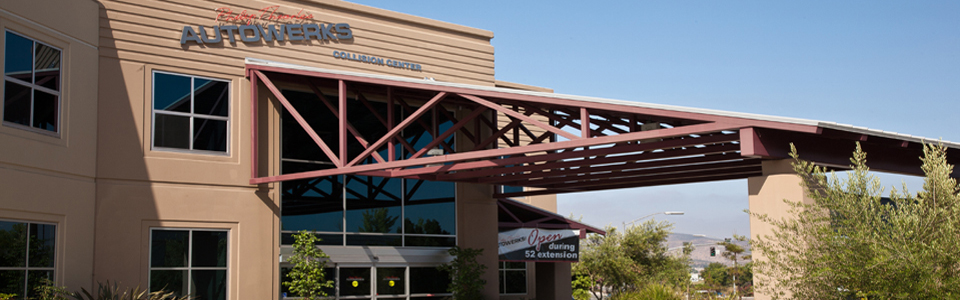

When your vehicle suffers damage from an accident, understanding the different types of auto collision repair available helps you make informed decisions about restoration. At Phil Thearle’s Autowerks, we’ve been helping San Diego drivers navigate these choices since 1983, completing nearly 50,000 repairs across all types of collision repair scenarios.
Determining what collision repair you need depends on several factors: the extent of damage, your vehicle’s age and value, safety considerations, and your budget. Our certified technicians assess each vehicle individually to recommend the most appropriate repair approach that ensures safety while meeting your specific needs.
Every accident is unique, and so is every repair solution. We use our four decades of experience in auto collision repair to guide you through the options available for your specific situation, always prioritizing safety and quality while respecting your time and budget constraints.
Understanding Collision Repair Categories
Types of collision repair generally fall into several main categories based on the severity and location of damage. These categories can serve you as a collision repair guide and help you communicate effectively with repair professionals and set appropriate expectations for the restoration process.
The complexity of modern vehicles means that what appears to be simple surface damage can sometimes involve multiple repair types. In our certified collision center, we perform a comprehensive assessment process to identify all affected areas and systems, ensuring that we address every aspect of the damage properly.
We approach each repair with manufacturer-specific procedures and equipment designed for your vehicle’s particular construction and safety systems. This attention to detail ensures that repairs meet original safety standards while restoring your vehicle’s appearance and performance.
1. Surface-Level Collision Repairs
Surface-level repairs address damage that affects only the outer layers of your vehicle without compromising structural integrity. These types of auto collision repair are often the most cost-effective and can be completed relatively quickly.
Paint Touch-Up and Spot Repair
Minor paint damage from light impacts or scrapes can often be addressed through spot repair techniques. This process involves carefully matching your vehicle’s original paint color and applying it to affected areas using precision application methods.
We use computerized color-matching systems to ensure perfect color harmony with your existing finish. Our paint booth environment controls temperature, humidity, and airborne particles to achieve professional results that blend seamlessly with surrounding areas.
The spot repair process typically involves surface preparation, primer application where needed, base coat application, and clear coat finishing. Each layer requires a specific curing time to achieve optimal adhesion and durability.
Paintless Dent Repair (PDR)
Paintless dent repair represents one of the most innovative types of collision repair for addressing minor dents and dings without affecting the original paint finish. This technique uses specialized tools to massage dents out from behind the panel.
PDR works best on newer vehicles with flexible paint systems and when the dent hasn’t created sharp creases or paint damage. Our technicians assess each dent to determine whether PDR is suitable or if traditional bodywork will be necessary.
The advantages of PDR include faster completion times, lower costs, and preservation of your vehicle’s original factory paint. However, not all dents are suitable for this technique, particularly those involving sharp impacts or stretched metal.
Bumper Repair and Refinishing
Modern bumpers are typically made from flexible plastic materials that can often be repaired rather than replaced. Minor scuffs, scratches, and small cracks can frequently be addressed through professional refinishing techniques.
The bumper repair process involves cleaning, sanding, filling any imperfections, and applying primer, base coat, and clear coat layers. We use flexible paint systems designed specifically for plastic bumpers to ensure durability and proper adhesion.
For more significant bumper damage involving structural components or safety systems like parking sensors, replacement may be necessary to maintain proper function and crash protection capabilities.
2. Structural Collision Repairs
Structural repairs address damage to your vehicle’s frame or unibody construction. These types of auto collision repair require specialized equipment and expertise to ensure safety and proper vehicle operation.
Frame Straightening and Alignment
When accident forces affect your vehicle’s underlying structure, precision frame straightening becomes essential. We use computerized measuring systems that detect deviations as small as one millimeter from manufacturer specifications.
Our frame straightening equipment uses hydraulic systems to gradually return damaged metal to its original position. This process requires careful monitoring to avoid over-correction that could create stress points or weaken the structure.
Frame repairs must follow manufacturer-specific procedures to maintain crash protection capabilities. We document all measurements before, during, and after the repair process to ensure complete restoration to original specifications.
Unibody Repair Techniques
Most modern vehicles use unibody construction, where the frame and body are integrated into a single structure. Unibody repairs require different techniques compared to traditional body-on-frame construction.
Unibody damage often affects multiple areas simultaneously because forces transfer through the integrated structure. Our technicians are trained to identify all affected areas and plan repairs that address the entire damage pattern.
Proper unibody repair involves sectioning damaged areas and welding in new metal using manufacturer-approved procedures. These repairs require precision welding techniques and specific heat treatment procedures to maintain structural integrity.
3. Mechanical System Repairs
Modern collision repair often involves mechanical and electrical systems beyond traditional bodywork. Understanding these types of collision repair helps you appreciate the complexity of properly restoring today’s sophisticated vehicles.
Suspension Component Replacement
Accident damage frequently affects suspension components, which are critical for vehicle handling, tire wear, and safety. Even minor impacts can knock suspension components out of alignment or damage critical parts.
We perform comprehensive suspension inspections after any collision to identify damaged components. This includes visual inspection, measurement of alignment angles, and testing of shock absorbers and other wear items.
Suspension repairs may involve replacing damaged components, performing precision alignment, and road testing to ensure proper operation. We use manufacturer-specified parts and procedures to maintain your vehicle’s original handling characteristics.
Engine and Transmission Repairs
Severe accidents can damage engine or transmission components, requiring specialized mechanical expertise beyond typical collision repair. We work with certified technicians who specialize in these complex systems.
Engine damage assessment involves compression testing, fluid analysis, and electronic diagnostics to identify internal damage that may not be immediately visible. We provide detailed reports on any mechanical damage discovered during the collision repair process.
Transmission damage often results from impact forces or fluid contamination from accident damage. Our diagnostic process includes electronic testing, fluid analysis, and operational testing to identify any transmission-related issues.
Determining What Type of Repair You Need
Understanding what collision repair you need starts with a professional assessment of your vehicle’s damage. Our certified technicians use systematic evaluation processes to identify all affected areas and systems.
Damage Assessment Process
- Visual inspection – Examining all visible damage to body panels, lights, trim, and mechanical components
- Structural measurement – Using precision measuring equipment to check frame and body alignment
- Electronic diagnostics – Testing all electronic systems that could be affected by accident forces
- Mechanical inspection – Checking suspension, steering, and drivetrain components for damage
- Safety system verification – Testing airbag systems, sensors, and other safety-critical components
Factors Influencing Repair Type Selection
| Factor | Consideration | Impact on Repair Choice |
|---|---|---|
| Vehicle age | Newer vehicles warrant more comprehensive repairs | Affects the cost-benefit analysis of repair vs. replacement |
| Vehicle value | Higher value justifies premium repair techniques | Influences the choice between OEM and aftermarket parts |
| Safety systems | Modern safety features require specific procedures | May necessitate manufacturer-certified repair techniques |
| Insurance coverage | Policy limits affect repair scope | Influences material and technique choices |
| Usage requirements | Daily driving vs. weekend vehicle | Affects the priority of cosmetic vs. functional repairs |
| Budget constraints | Available funds for repair | May influence the timing and scope of repairs |
Specialized Repair Techniques by Vehicle Type
Different vehicles require different approaches to collision repair. Our experience with luxury brands has taught us that auto collision repair must be tailored to each vehicle’s specific construction and materials.
Aluminum Body Repairs
Luxury vehicles increasingly use aluminum construction to reduce weight and improve performance. Aluminum requires completely different repair techniques compared to traditional steel construction.
Temperature control during aluminum repairs is critical because aluminum conducts heat much more rapidly than steel. This requires different welding parameters and cooling procedures to maintain the material’s structural properties.
Aluminum welding must be performed in contamination-free environments using specialized equipment. Even microscopic amounts of steel contamination can compromise aluminum welds, potentially creating failure points.
We maintain separate work areas and dedicated tools for aluminum repairs to prevent cross-contamination. Our aluminum-certified technicians receive ongoing training as manufacturers develop new applications for this material.
High-Strength Steel Repairs
Many modern vehicles incorporate high-strength steel in critical areas to improve crash protection while reducing weight. These materials require specific repair procedures to maintain their engineered properties.
Heat treatment during welding is critical to maintain the material’s strength characteristics. However, high-strength steel often cannot be repaired through traditional methods and must be replaced using manufacturer-approved sectioning procedures.
We follow manufacturer-specific procedures for high-strength steel repairs, including prescribed welding sequences, heat treatment requirements, and quality control measurements to ensure proper restoration.
Carbon Fiber Repairs
Exotic and high-performance vehicles may incorporate carbon fiber body panels that require specialized repair techniques. Carbon fiber cannot be welded and requires different repair approaches compared to metal panels.
Carbon fiber repairs typically involve cutting out damaged sections and bonding in new material using specific adhesive systems. These repairs require controlled environments and precise curing procedures to achieve proper strength.
We work with specialized suppliers who provide pre-fabricated carbon fiber sections designed for specific vehicle applications. This ensures proper fit and maintains the structural properties intended by the manufacturer.
Insurance Considerations for Different Repair Types
Understanding how insurance coverage applies to different types of collision repair helps you make informed decisions about your vehicle’s restoration. We work with all major insurance companies to help you navigate coverage options.
Comprehensive vs. Collision Coverage
Different types of damage may be covered under different parts of your insurance policy. Collision coverage typically handles accident-related damage, while comprehensive coverage addresses damage from weather, vandalism, or other non-collision causes.
Understanding your coverage helps determine what repair options are available and what costs you may be responsible for. We provide detailed estimates that clearly identify covered and non-covered items.
We also explain any deductible responsibilities and help you understand how different repair choices might affect your out-of-pocket costs. This information helps you make informed decisions about repair scope and timing.
OEM vs. Aftermarket Parts Coverage
Insurance policies vary in their coverage for Original Equipment Manufacturer (OEM) parts versus aftermarket alternatives. We explain the differences and help you understand your options under your specific policy.
OEM parts are manufactured by the same companies that supplied parts for your vehicle’s original construction. These parts ensure proper fit, finish, and performance, but typically cost more than aftermarket alternatives.
Aftermarket parts are manufactured by third-party companies and may offer cost savings while providing acceptable quality. We help you evaluate the trade-offs between cost savings and original equipment quality.
Quality Control Across All Repair Types
Regardless of which types of auto collision repair your vehicle requires, our quality control processes ensure consistent results that meet our high standards and your expectations.
Multi-Point Inspection Process
Our quality control begins during the repair process with in-process inspections at critical stages. This approach catches any issues early when they’re easier and less expensive to correct.
We use standardized checklists for each type of repair to ensure that all critical steps are completed properly. These checklists are based on manufacturer procedures and our own experience with high-quality repairs.
Final inspection includes comprehensive testing of all repaired systems, detailed examination of all work areas, and verification that repairs meet both manufacturer specifications and our internal quality standards.
Testing and Verification Procedures
Different repair types require different testing procedures to verify proper completion. We use manufacturer-specified test procedures and equipment to ensure all systems function correctly after repair.
Electronic system testing includes diagnostic scans, calibration verification, and functional testing of all affected systems. We maintain the latest diagnostic equipment to properly test modern vehicle systems.
Road testing verifies that mechanical repairs have restored proper vehicle operation. Our test procedures include evaluation of steering, braking, suspension, and drivetrain operation under various conditions.
Choosing the Right Repair Approach for Your Vehicle
Selecting the appropriate auto collision repair approach requires balancing several factors, including safety, quality, cost, and time considerations. We help you evaluate these factors to make the best decision for your situation.
Safety First Philosophy
Safety considerations always take priority in our repair recommendations. We never compromise structural integrity or safety system function to reduce costs or speed completion.
Modern vehicles incorporate sophisticated safety systems that require specific procedures to maintain proper operation. We follow manufacturer procedures exactly to ensure these systems continue to protect you and your passengers.
Structural repairs must meet original crash protection standards to ensure your vehicle provides the same level of protection as when it was manufactured. We use only approved materials and procedures for all structural work.
Cost-Benefit Analysis
We help you understand the cost implications of different repair approaches and evaluate them against your vehicle’s value and your specific needs. This analysis helps you make informed decisions about the repair scope.
Sometimes spending more on premium repair techniques provides better long-term value through improved durability and appearance retention. We explain these trade-offs so you can make informed choices.
For older vehicles, we may recommend cost-effective approaches that restore safety and function while recognizing the vehicle’s current market value. Our goal is always to provide honest advice that serves your best interests.
Common Repair Combinations
Real-world collision damage often requires multiple types of collision repair to properly restore your vehicle. Understanding common combinations helps you prepare for the repair process.
Front-End Collision Repairs
Front-end impacts typically involve multiple repair types:
- Structural repairs to the front frame rails or crumple zones
- Mechanical repairs to suspension, steering, and cooling system components
- Electrical repairs to lighting, sensors, and wiring harnesses
- Body repairs to fenders, hood, bumper, and grille components
- Paint and refinishing work to restore the appearance
Side Impact Repairs
Side impacts often require a different combination of repairs:
- Door replacement or structural repair
- Quarter panel repair or replacement
- Safety system repairs, including side airbags and sensors
- Window and mirror replacement
- Interior component replacement
Rear-End Collision Repairs
Rear impacts typically involve:
- Trunk lid or tailgate repair
- Rear body panel repair or replacement
- Exhaust system damage assessment
- Electrical system repairs for lighting and sensors
- Suspension component inspection and repair
Preventive Measures and Maintenance
Understanding different types of auto collision repair also includes knowing how to prevent damage and maintain your vehicle’s condition after repairs. We provide guidance on protecting your investment.
Post-Repair Care Instructions
Different repair types require specific care during the initial curing period. Paint repairs need protection from harsh chemicals and extreme temperatures while they fully cure and harden.
We provide detailed instructions for caring for your vehicle during this critical period. Following these guidelines ensures that repairs achieve their intended durability and appearance.
Regular maintenance becomes even more important after collision repairs. We recommend specific intervals for inspection and maintenance of repaired areas to ensure long-term satisfaction.
Protecting Your Investment
Professional detailing and protection services can help maintain the appearance of repaired areas and protect your car’s value long-term. We work with trusted partners who understand the specific needs of recently repaired vehicles.
Regular washing and waxing using appropriate products helps protect paint and clear coat finishes. We recommend specific products and techniques that won’t compromise the integrity of repair work.
Prompt attention to new damage prevents small issues from becoming major problems. We offer touch-up and maintenance services to help you protect your investment in quality repairs.
Technology’s Impact on Modern Repair Types
Advancing vehicle technology continues to create new types of collision repair that require specialized knowledge and equipment. We stay up-to-date with these developments to serve our customers effectively.
Electric Vehicle Considerations
Electric vehicles present unique challenges that affect repair type selection. High-voltage systems require specialized safety procedures and certified technicians to work on them safely. Battery pack damage assessment requires specific diagnostic equipment and procedures. Charging system repairs involve both mechanical and electrical expertise.
We’ve invested in the training and equipment necessary to properly evaluate and repair electric vehicle damage. Our technicians are certified to work safely with high-voltage systems while following manufacturer procedures.
Advanced Driver Assistance Systems
Modern safety systems like automatic emergency braking, lane departure warning, and adaptive cruise control require specific repair procedures to maintain proper operation.
Camera and radar sensor replacement often requires precise calibration procedures using manufacturer-specific equipment. We maintain the necessary tools and training to properly service these systems.
Software updates may be required after certain repairs to ensure all systems communicate properly. We have the diagnostic equipment and manufacturer connections necessary to perform these updates.
Final Remarks
Choosing the right types of collision repair for your vehicle requires expertise, proper equipment, and attention to detail that comes only from years of experience. At Phil Thearle’s Autowerks, we’ve spent four decades perfecting our approach to every type of collision repair, from simple paint touch-ups to complex structural reconstruction.
Our commitment to exceeding industry standards means that regardless of which repair type your vehicle needs, you can trust our certified technicians to restore it properly using manufacturer-approved procedures and genuine parts. We take pride in explaining your options clearly and helping you make informed decisions about your vehicle’s restoration.
When you need professional auto collision repair services that prioritize safety, quality, and customer satisfaction, trust the experts who have been serving San Diego County since 1983.
Contact us today to schedule your assessment and discover why thousands of customers have chosen us for their collision repairs.