
When your vehicle sustains damage from an accident, understanding the collision repair process can help you make informed decisions about restoring your car to its original condition.
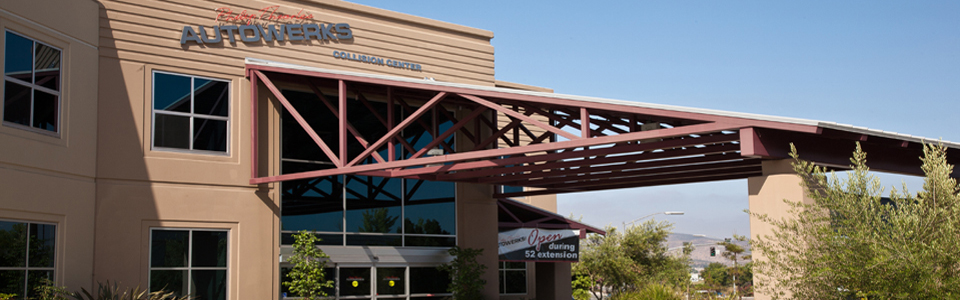
At Phil Thearle’s Autowerks, we’ve been providing exceptional collision repair services in San Diego since 1983, completing nearly 50,000 auto body repairs over four decades.
We’ve created this collision repair guide to help San Diego drivers understand what happens when their vehicle needs professional attention after an accident.
Whether you’re dealing with minor dents or major structural damage, knowing what collision repair is and how it works will help you navigate this process with confidence.
Understanding the Fundamentals of Collision Repair
Collision repair encompasses the comprehensive restoration of vehicles that have sustained damage in accidents, whether from minor fender-benders to major crashes.
This specialized field requires advanced technical knowledge, precision equipment, and expertise in working with modern vehicle materials and safety systems.
At our San Diego collision repair facility, we understand that every vehicle is unique. Modern cars incorporate advanced materials like aluminum, high-strength steel, and carbon fiber, each requiring specific repair techniques and equipment.
We maintain OEM certifications for various brands, including being San Diego County’s only Jaguar/Land Rover Certified Aluminum Auto Repair Center and a Factory Authorized BMW Aluminum Auto Repair Center.
The scope of collision repair extends beyond simple bodywork. Today’s vehicles contain sophisticated safety systems, sensors, and computer-controlled components that must be properly calibrated and tested after any repair. This complexity is why choosing an experienced and certified collision repair facility is crucial for your safety and your vehicle’s performance.
The Complete Collision Repair Process
Understanding how collision repair works begins with recognizing that each repair follows a systematic approach designed to restore your vehicle safely and completely. We’ve refined our collision repair process over 40 years to ensure consistent, high-quality results.
Initial Assessment and Documentation
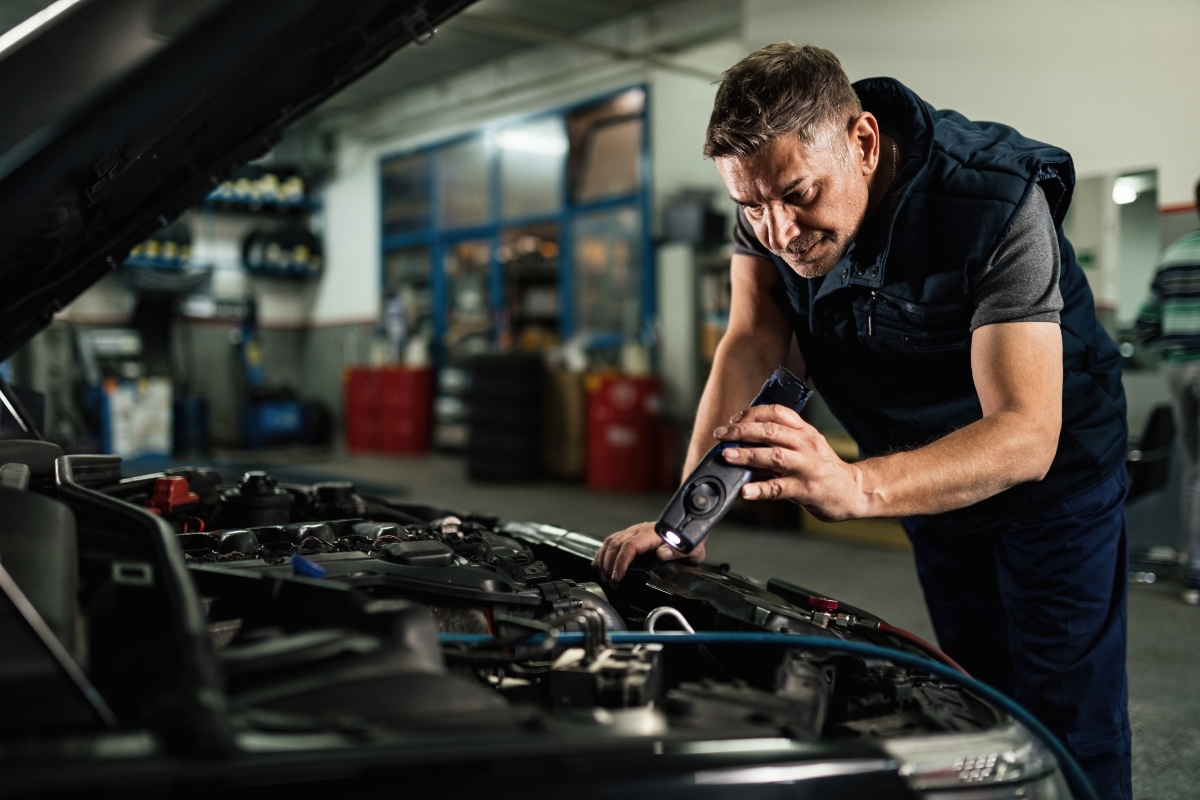
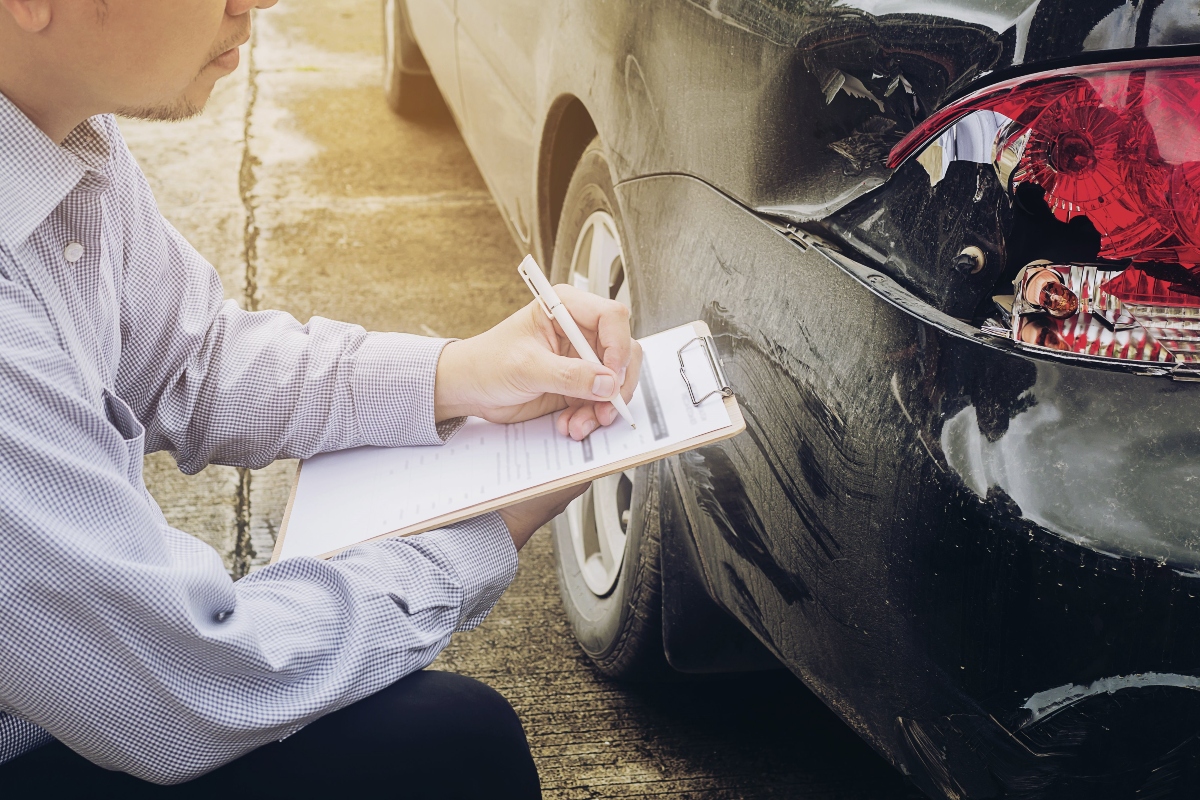
The repair process begins with a thorough inspection of your vehicle. Our certified technicians examine both visible damage and potential hidden issues that may not be immediately apparent.
We use advanced diagnostic equipment to identify structural damage, electronic system malfunctions, and safety system impacts.
During this phase, we document everything with detailed photographs and measurements. This documentation serves multiple purposes: it helps us create an accurate repair estimate, provides essential information for insurance claims, and establishes a baseline for quality control throughout the repair process.
We also check for recalls or service bulletins that might affect the repair process. Modern vehicles often have specific manufacturer requirements that must be followed to maintain warranty coverage and ensure proper safety system function.
Detailed Damage Analysis and Planning
Once we complete the initial assessment, our team conducts a comprehensive damage analysis. This involves disassembling damaged components to reveal the full extent of the damage.
Sometimes, what appears to be minor surface damage can hide more significant structural issues underneath.
We create a detailed repair plan that outlines every step of the restoration process. This plan includes the sequence of repairs, the specific materials and parts needed, and the estimated timeline for completion.
For complex repairs involving structural work or advanced materials like aluminum, we follow manufacturer-specific procedures to ensure the repair meets original safety standards.
Our planning phase also includes ordering genuine OEM parts when possible. We believe in using original factory parts because they’re designed specifically for your vehicle and maintain the structural integrity and safety features intended by the manufacturer.
Advanced Techniques in Modern Collision Repair
Today’s collision repair requires sophisticated techniques and equipment that go far beyond traditional bodywork. At Phil Thearle’s Autowerks, we invest in cutting-edge technology to ensure we can properly repair any vehicle that comes through our doors.
Structural Repair and Frame Straightening
When a vehicle suffers structural damage, precision frame straightening becomes critical. We use computerized measuring systems that can detect variations as small as one millimeter. These systems ensure that your vehicle’s frame returns to exact manufacturer specifications.
Our frame straightening equipment uses hydraulic systems to gradually return damaged metal to its original shape. This process requires careful monitoring to avoid over-correction or stress concentration that could weaken the structure.
We follow specific pull sequences and measurement protocols established by each vehicle manufacturer.
For vehicles with aluminum construction, we use specialized equipment designed specifically for this lighter but more complex material. Aluminum requires different welding techniques, specialized tools, and climate-controlled environments to prevent contamination during the repair process.
Paint Matching and Application
Modern automotive paint systems are far more complex than they were even a decade ago. Today’s paints often include multiple layers: primer, base coat, color coat, and clear coat, each serving specific functions in protection and appearance.
We use computerized color-matching systems that analyze your vehicle’s existing paint and account for factors like age, UV exposure, and environmental wear. This technology ensures that repaired areas blend seamlessly with the original finish.
Our paint booth maintains precise temperature and humidity controls while filtering out airborne contaminants that could affect the finish quality. We follow manufacturer-specified cure times and temperatures to ensure the paint achieves its intended durability and appearance.
Technology Integration in Collision Repair
Modern vehicles contain dozens of electronic systems that can be affected by collision damage. From airbag sensors to autonomous driving features, these systems require specialized knowledge and equipment to properly diagnose and repair.
Electronic System Calibration
After any collision repair, electronic systems may need recalibration to function properly. This includes camera-based systems for lane departure warning, automatic emergency braking sensors, and parking assistance features.
We use manufacturer-specific diagnostic equipment to test and calibrate these systems. This process often involves driving the vehicle on specific test routes or using specialized calibration targets to ensure sensors are properly aligned and functioning within manufacturer specifications.
Failure to properly calibrate these systems can result in unexpected behavior or reduced safety performance. That’s why we never consider a repair complete until all electronic systems have been tested and verified to work correctly.
Quality Assurance and Testing
Our quality assurance process involves multiple checkpoints throughout the repair process. We conduct interim inspections at key stages to ensure work meets our standards before proceeding to the next step.
Final quality control includes a comprehensive inspection of all repair work, a complete test drive to verify vehicle operation, and a detailed cleaning process that returns your vehicle to pristine condition.
We also conduct a final customer walk-through to explain the work performed and answer any questions you might have.
Types of Collision Damage We Address
Understanding the different types of collision damage helps you communicate effectively with repair professionals and understand the scope of work needed for your vehicle.
Surface and Cosmetic Damage
- Paint scratches and scuffs: These range from light surface marks that can be polished out to deep scratches that require paint touch-up or panel repainting.
- Dents and dings: Minor depressions in body panels that can often be repaired using paintless dent repair techniques.
- Trim and molding damage; Plastic or metal trim pieces that may need replacement or refinishing.
- Glass damage: Chips, cracks, or complete replacement of windshields, windows, or mirrors.
Structural Damage Categories
More serious accidents can cause structural damage that requires specialized repair techniques:
- Frame damage: Affects the vehicle’s underlying structure and requires precision straightening equipment.
- Unibody damage: Modern cars use unibody construction, where the frame and body are integrated.
- Suspension component damage: Can affect vehicle handling and safety if not properly repaired.
- Engine compartment damage: May involve mechanical components in addition to body panels.
Insurance Considerations and Direct Repair Programs
Navigating insurance claims can be one of the most stressful aspects of collision repair. We work directly with many insurance companies to streamline this process for our customers.
Working with Insurance Companies
We maintain Direct Repair Programs with leading insurers like Allstate and Esurance, which means we can often handle much of the paperwork and communication directly with your insurance company.
This reduces the burden on you while ensuring that repairs meet both insurance requirements and our quality standards.
For other insurance companies, we negotiate on your behalf to ensure that approved repairs meet our standards for quality and safety. We provide detailed estimates and documentation to support the need for proper repairs using quality materials and procedures.
Understanding Your Coverage
Different insurance policies provide varying levels of coverage for collision repairs. We help you understand what your policy covers and work within those parameters to provide the best possible repair outcome.
We also explain any options you might have for upgrades or improvements that could enhance your vehicle’s value or performance. While insurance may not cover these enhancements, understanding your options helps you make informed decisions about your vehicle’s restoration.
Choosing the Right Collision Repair Facility
Not all collision repair facilities are created equal. When selecting a shop to repair your vehicle, several factors should influence your decision.
| Factor | What to Look For | Why It Matters |
|---|---|---|
| Certifications | Manufacturer-specific certifications for your vehicle brand | Ensures technicians are trained on your specific vehicle type |
| Equipment | Modern frame straightening, paint booths, and diagnostic tools | Proper equipment is essential for quality repairs |
| Experience | Years in business, number of repairs completed | Experience leads to better problem-solving and quality |
| Insurance Relationships | Direct repair programs with major insurers | Streamlines the claim process and reduces your hassle |
| Warranty | Written warranty on repair work | Protects your investment in the repair |
| Facility Tour | Willingness to show you their operation | Transparency indicates confidence in their processes |
Red Flags to Avoid
When evaluating collision repair facilities, watch for warning signs that might indicate substandard service:
- Unwillingness to provide written estimates
-
- Pressure to use aftermarket or used parts when OEM parts are covered
- Lack of proper certifications for your vehicle type
-
- Poor communication about repair progress or timeline
- Facilities that appear disorganized or unprofessional
- Refusal to allow facility tours or inspection of work areas
Specialized Repair Techniques for Luxury Vehicles
High-end vehicles often require specialized knowledge and equipment that not all collision repair facilities possess. At Phil Thearle’s Autowerks, our roots in BMW, Mercedes-Benz, and Porsche restoration have prepared us to handle the most demanding repairs.
Aluminum Body Repair
Many luxury vehicles use aluminum construction to reduce weight and improve performance. Aluminum requires completely different repair techniques compared to traditional steel.
The welding process for aluminum must be performed in a contamination-free environment. Even small amounts of steel particles can compromise aluminum welds, potentially creating weak points that could fail in a future accident.
We maintain separate work areas and tools specifically for aluminum repairs to prevent cross-contamination. Our technicians receive ongoing training on aluminum repair techniques as manufacturers continue to develop new applications for this material.
Temperature control during aluminum repairs is critical. Aluminum conducts heat much more rapidly than steel, requiring different welding parameters and cooling procedures to maintain the material’s structural properties.
Paint Systems for Premium Vehicles
Luxury vehicles often feature multi-stage paint systems that create depth and richness not found on standard vehicles. These paints may include pearl, metallic, or color-shifting pigments that require expert color matching and application techniques.
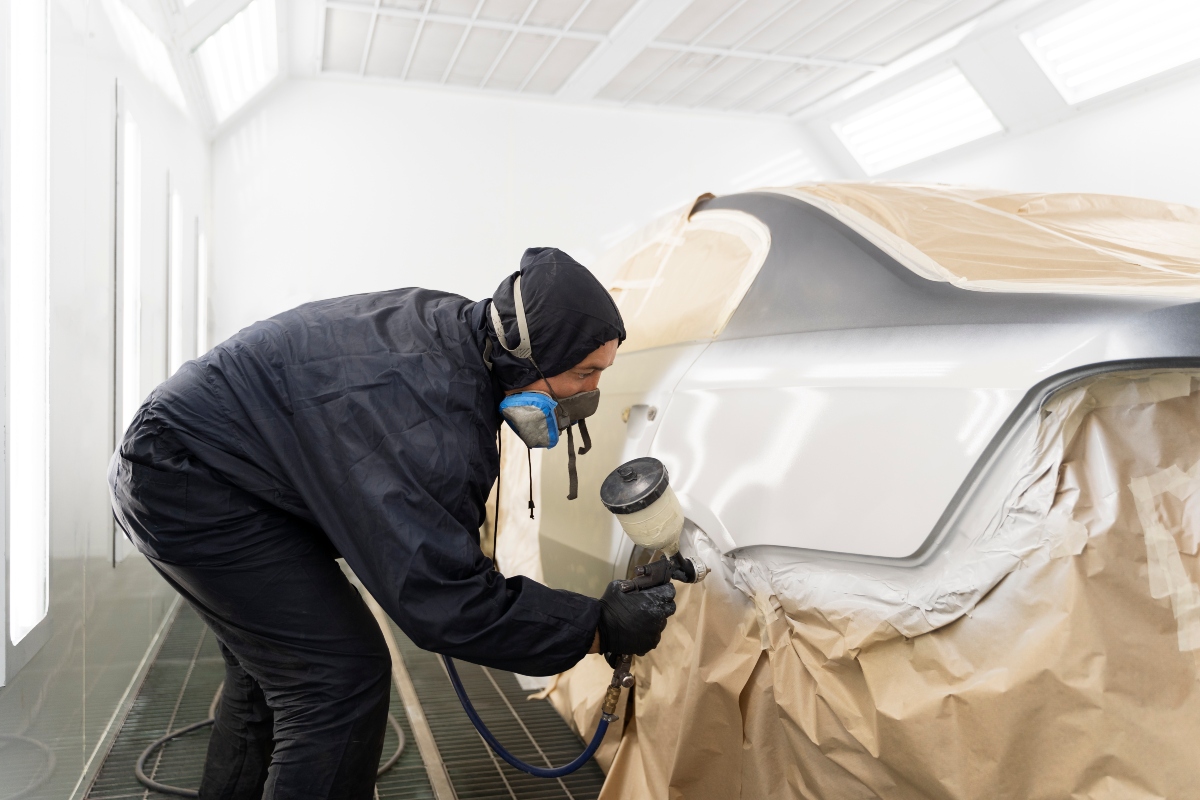
We invest in advanced color-matching technology that can analyze these complex paint systems and create precise color formulations. Our paint technicians undergo specialized training to handle these premium finishes properly.
The clear coat systems used on luxury vehicles often include multiple layers with different hardness characteristics. Proper application requires precise timing, temperature control, and curing procedures to achieve the intended appearance and durability.
Environmental Considerations in Collision Repair
Modern collision repair practices must balance quality results with environmental responsibility. We’ve implemented numerous measures to minimize our environmental impact while maintaining the highest repair standards.
Waste Management and Recycling
Our facility follows strict protocols for handling and disposing of hazardous materials like paint solvents, used oils, and damaged parts. We work with certified waste management companies to ensure proper disposal and recycling whenever possible.
Metal components are sorted and recycled through specialized metal recycling programs. This not only reduces waste but also supports the circular economy by providing raw materials for new products.
Paint waste is minimized through precise color matching and efficient application techniques. We use high-efficiency spray equipment that reduces overspray and maximizes transfer efficiency.
Energy-Efficient Operations
Our facility uses energy-efficient lighting, heating, and cooling systems to reduce our carbon footprint. Our paint booth incorporates heat recovery systems that capture waste heat and use it to preheat incoming air.
We’ve also invested in electric and hybrid vehicles for our company fleet, demonstrating our commitment to environmental responsibility while staying current with automotive technology trends.
The Future of Collision Repair
The collision repair industry continues to evolve rapidly as vehicle technology advances. We stay ahead of these changes through ongoing education, equipment upgrades, and industry partnerships.
Electric and Hybrid Vehicle Repairs
Electric and hybrid vehicles present unique challenges for collision repair facilities. High-voltage systems require specialized training and safety equipment to work on safely. We’ve invested in the necessary equipment and training to service these vehicles properly.
Battery pack repairs require specialized knowledge about different battery chemistries and construction methods. We work closely with manufacturers to stay current on proper procedures for these critical components.
Charging system repairs involve both mechanical and electrical expertise. Our technicians are trained to work safely with high-voltage systems while following manufacturer-specific procedures for each vehicle type.
Autonomous Vehicle Technology
As vehicles become more autonomous, collision repairs become increasingly complex. Sensor calibration becomes critical not just for proper operation but for safety. We’ve invested in the diagnostic equipment and training necessary to properly service these advanced systems.
Camera and radar sensor replacement often requires precise alignment and calibration procedures. We follow manufacturer-specific protocols to ensure these systems function properly after repair.
Software updates may be required after certain repairs to ensure all systems communicate properly. We maintain the necessary diagnostic tools and manufacturer connections to perform these updates when needed.
Cost Factors in Professional Collision Repair
Understanding the factors that influence collision repair costs helps you make informed decisions about your vehicle’s restoration. Several variables affect the final cost of repairs.
Labor and Skill Requirements
Skilled collision repair technicians command higher wages due to their specialized knowledge and certifications. This investment in human capital translates to higher-quality repairs and better long-term value for vehicle owners.
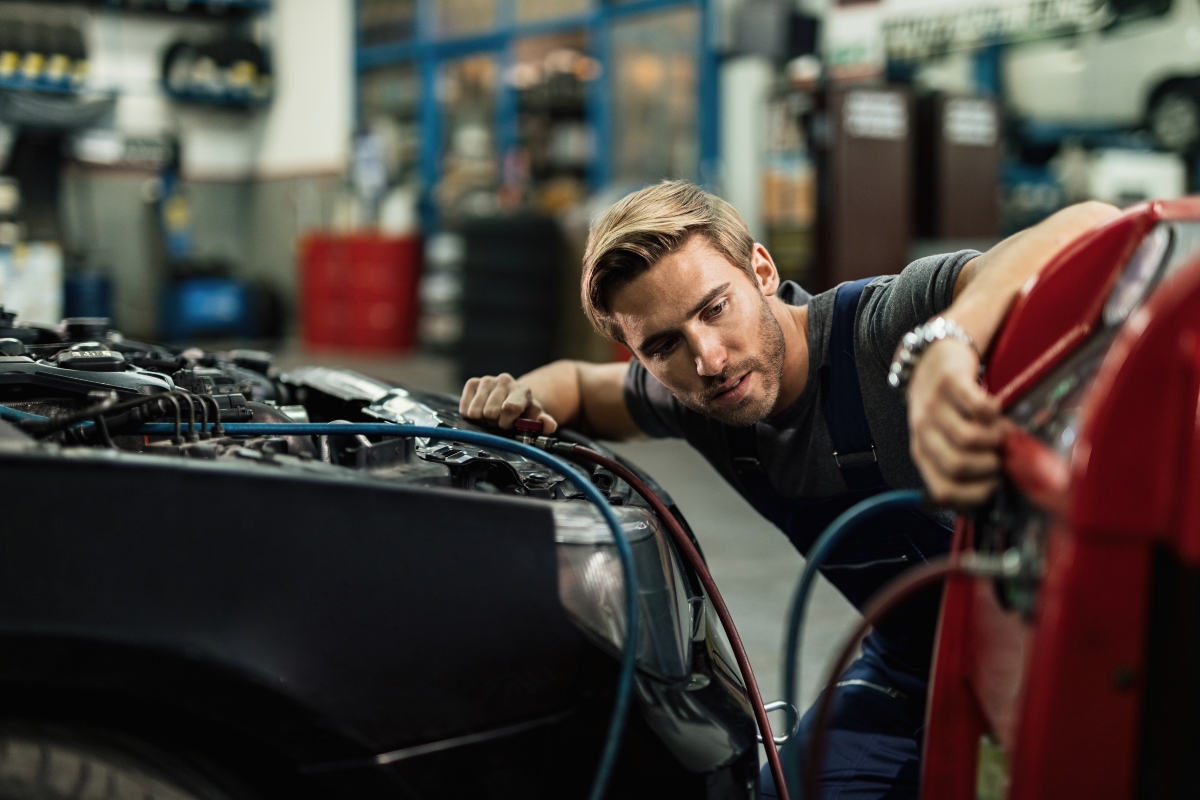
Complex repairs requiring specialized equipment or techniques naturally cost more than simple bodywork. However, attempting to save money through shortcuts often results in poor-quality repairs that may need to be redone.
Modern vehicles require technicians with ongoing training and certification maintenance. These investments in continuing education ensure that repairs meet current manufacturer standards and safety requirements.
Parts and Materials Quality
Genuine OEM parts typically cost more than aftermarket alternatives, but they ensure proper fit, finish, and performance. We recommend OEM parts whenever possible because they maintain your vehicle’s original safety characteristics and warranty coverage.
High-quality paint and materials cost more initially but provide better durability and appearance over time. Cheaper materials may save money upfront, but often require earlier refinishing or touch-up work.
Specialized tools and equipment required for certain repairs represent significant investments that are reflected in repair costs. However, using proper tools ensures repairs meet manufacturer specifications and safety standards.
Maintenance After Collision Repair
Proper care after collision repair helps ensure your investment provides long-lasting results. We provide specific recommendations for maintaining repaired areas and preserving your vehicle’s appearance.
Paint Care and Protection
Newly repaired paint requires special attention during the first few weeks as it continues to cure and harden. We provide detailed instructions on washing, waxing, and protecting fresh paint to ensure optimal durability.
Regular washing with appropriate products helps maintain the appearance and protection of repaired areas. We recommend specific products and techniques that won’t compromise the integrity of new paint or clear coat.
Professional detailing services can help maintain the appearance of repaired areas and blend them seamlessly with the rest of your vehicle’s finish. We can recommend trusted detailing professionals who understand the specific needs of recently repaired vehicles.
Final Thoughts
Choosing the right collision repair facility makes all the difference in getting your vehicle back to its pre-accident condition safely and efficiently.
At Phil Thearle’s Autowerks, our 40 years of experience and commitment to exceeding industry standards ensure that your vehicle receives the expert care it deserves.
We understand that dealing with accident damage can be stressful, which is why we handle every aspect of the repair process with professionalism and attention to detail. From initial assessment through final quality control, our certified technicians use manufacturer-approved procedures and genuine parts to restore your vehicle properly.
When you need trusted San Diego collision repair services, we invite you to experience the difference that four decades of expertise make. Contact us today to schedule your repair and let us restore your vehicle to its former pristine condition.