
When your vehicle is involved in an accident, one of your primary concerns beyond safety is understanding how to protect the car’s value after collision damage occurs. The decisions you make during the repair process significantly impact your car’s value after collision restoration, affecting both your immediate satisfaction and long-term financial investment.
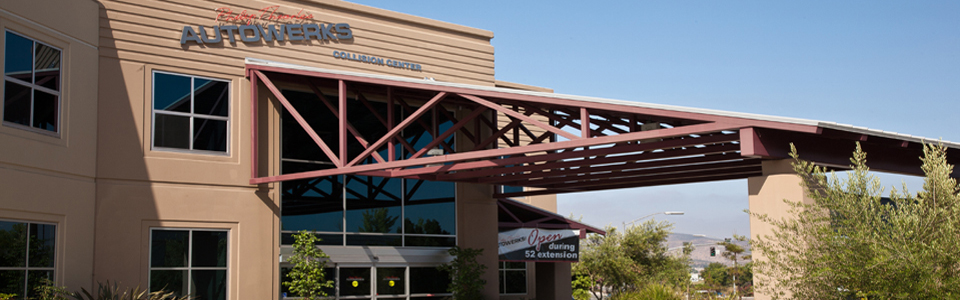
At Phil Thearle’s Autowerks, we’ve been helping San Diego drivers preserve their vehicle values since 1983. Through nearly 50,000 collision repairs, we’ve learned exactly how to protect the car’s value after a collision.
Understanding the relationship between collision repair quality and vehicle value helps you make informed decisions that protect your investment. The choices you make about repair facilities, parts, procedures, and documentation can mean the difference between maintaining your vehicle’s value and accepting significant depreciation.
Understanding Value Impact from Collisions
Vehicle value preservation begins with understanding how collisions affect worth beyond the obvious damage. Car value after collision incidents depends on multiple factors that extend well beyond the visible repair quality, including documentation, repair methods, and long-term performance.
Immediate Value Considerations
The severity and location of collision damage directly influence value impact. Minor cosmetic damage typically has less effect on vehicle worth than structural damage or safety system involvement. However, even seemingly minor incidents can affect value if not properly documented and repaired.
Insurance companies use sophisticated algorithms to calculate diminished value – the difference between your vehicle’s worth before and after an accident. This calculation considers damage severity, repair quality, vehicle age, and market conditions to estimate the impact on resale value.
Modern vehicles with advanced safety systems face additional value considerations when these systems are damaged or require calibration after repairs. Proper restoration of these features is essential for maintaining both safety and value.
Long-Term Value Preservation
The value of a car after collision repairs depends heavily on the quality and completeness of the restoration work. Professional repairs using manufacturer-approved procedures and genuine parts typically preserve more value than shortcuts or substandard work.
Documentation plays a crucial role in long-term value preservation. Complete repair records, before and after photos, and warranty information provide future buyers with confidence in the vehicle’s condition and repair quality.
We maintain comprehensive documentation for every repair because we understand its importance for value preservation. Our customers receive detailed records that demonstrate the quality and completeness of all work performed.
Choosing Quality Repair Approaches
The repair approach you select dramatically influences how to protect the car’s value after collision damage occurs. There are several types of auto collision repairs, and different facilities offer different service levels. Understanding these options helps you make value-preserving decisions.
OEM vs. Aftermarket Parts Selection
Original Equipment Manufacturer (OEM) parts typically preserve more vehicle value than aftermarket alternatives because they maintain the original fit, finish, and performance characteristics intended by the manufacturer.
OEM parts undergo rigorous testing to meet safety and durability standards specific to your vehicle. This testing ensures proper crash performance, corrosion resistance, and longevity that aftermarket parts may not match.
While aftermarket parts often cost less initially, they may negatively impact resale value more than the upfront savings justify. We help customers understand these trade-offs and make informed decisions based on their specific situations and value preservation goals.
Insurance coverage for OEM parts varies by policy, but many insurers recognize their value preservation benefits. We work with insurance companies to explain why OEM parts may be the most cost-effective long-term solution.
Structural Repair Standards
Structural damage requires precision repair techniques to maintain both safety and value. Frame straightening must return your vehicle to exact manufacturer specifications using computerized measuring systems and approved procedures.
We use the latest computerized measuring technology that detects deviations as small as one millimeter from factory specifications. This precision ensures that structural repairs maintain crash protection capabilities and vehicle performance.
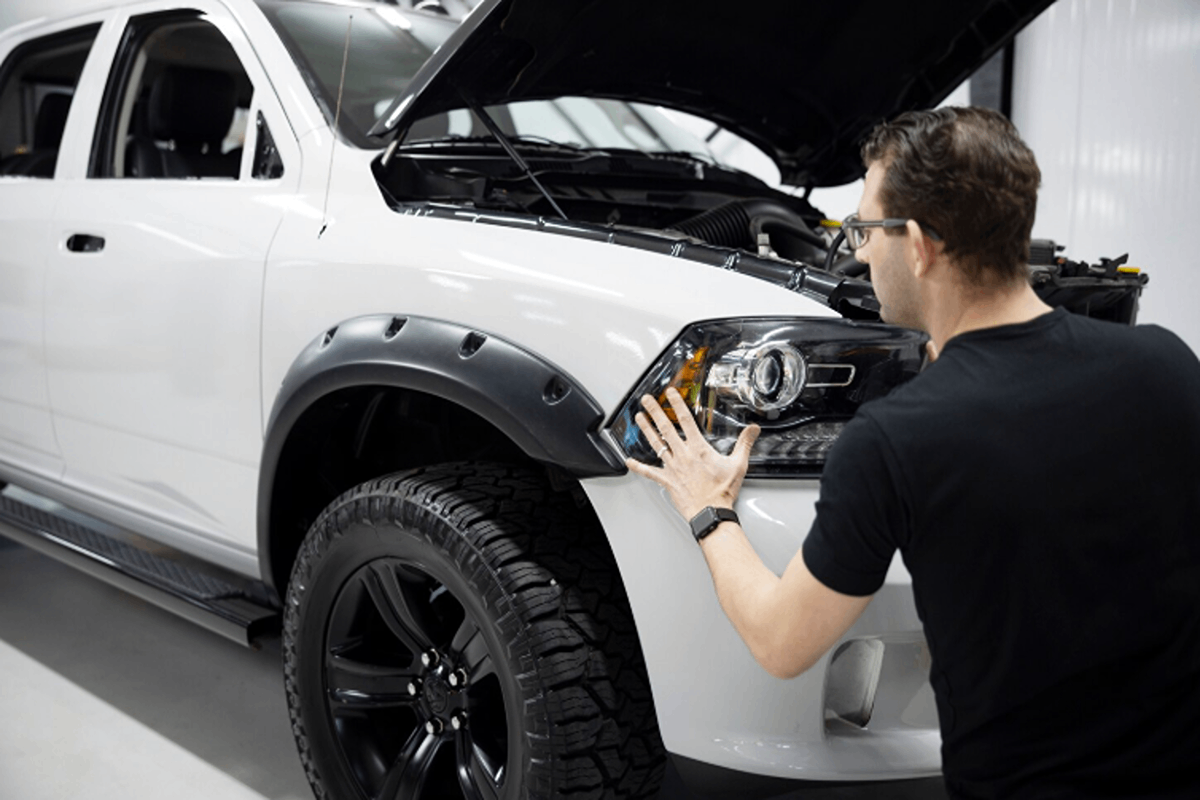
Substandard structural repairs can create handling problems, premature tire wear, and safety concerns that significantly impact vehicle value. Professional facilities document all measurements before, during, and after repairs to demonstrate compliance with manufacturer standards.
Modern vehicles often incorporate high-strength steel or aluminum construction that requires specialized repair techniques. Using improper procedures or equipment can compromise structural integrity and dramatically reduce vehicle value.
Paint and Finish Quality
Paint quality significantly influences both appearance and value preservation. Professional paint systems using manufacturer-approved materials and procedures provide better durability and color matching than budget alternatives.
Our paint booth maintains precise environmental controls for temperature, humidity, and air filtration to ensure optimal finish quality. We use computerized color-matching systems that account for paint aging and environmental factors.
Paint defects like orange peel texture, color mismatches, or premature fading can significantly impact vehicle value. Professional facilities invest in proper equipment and training to avoid these issues and provide long-lasting, attractive finishes.
Clear coat application requires specific procedures and curing times to achieve the intended durability. Rushing this process or using inferior materials can result in premature failure that requires expensive refinishing work.
Documentation Strategies for Value Protection
Comprehensive documentation is essential for car value after collision preservation because it provides evidence of proper repair procedures and quality materials used in the restoration process.
Before and After Photography
Detailed photography documenting damage before repairs and completed work afterward provides valuable evidence of the repair scope and quality. These images help establish the extent of work performed and demonstrate professional restoration.
We photograph every vehicle from multiple angles before beginning work and document each stage of the repair process. Final photographs show completed repairs and demonstrate the quality of restoration achieved.
Professional photography using proper lighting and angles provides clear documentation that can be valuable for insurance purposes, warranty claims, or future resale situations. Poor-quality photos may not adequately document the work performed.
Timestamped digital images with metadata provide additional authentication that can be important for legal or insurance purposes. We maintain these records as part of our comprehensive documentation system.
Repair Procedure Documentation
Detailed records of repair procedures used, including manufacturer-specific requirements and quality control measures, demonstrate professional repair standards and help preserve vehicle value.
We document welding procedures, paint specifications, calibration records, and testing results to provide complete records of all work performed. This documentation demonstrates compliance with manufacturer standards and industry best practices.
Material Safety Data Sheets (MSDS) and product specifications for paints, adhesives, and other materials used in repairs provide additional documentation of quality materials and proper application procedures.
Quality control checklists and inspection records demonstrate systematic attention to detail throughout the repair process. These records provide confidence that all critical steps were completed properly.
Parts and Materials Records
Complete records of all parts and materials used in repairs, including part numbers, suppliers, and installation dates, provide valuable information for warranty purposes and future maintenance needs.
OEM parts typically come with warranties that can be transferred to subsequent owners, adding value and confidence for potential buyers. Paint codes, mixing formulas, and application procedures are documented to facilitate future touch-up work or additional repairs.
This information can be valuable for maintaining a consistent appearance over time.
Serial numbers and identification codes for major components provide authentication and help prevent issues with counterfeit or inferior parts that could affect safety and value.
Insurance Considerations and Value Protection
Understanding how insurance coverage affects the value of a car after a collision helps you make decisions that protect your financial interests while ensuring proper repairs.
Diminished Value Claims
Some insurance policies provide coverage for diminished value, the reduction in vehicle worth caused by accident history. Understanding your coverage and how to document diminished value claims can help recover some of the financial impact.
Diminished value calculations consider factors like vehicle age, mileage, condition before the accident, and repair quality. Professional appraisals may be necessary to establish diminished value amounts for insurance claims.
We provide detailed repair documentation that supports diminished value claims by demonstrating the extent of damage and the quality of repairs performed. This documentation can be crucial for successful claims.
Different states have varying laws regarding diminished value claims, and insurance companies may have different policies about coverage. We help customers understand their options and provide necessary documentation.
Coverage for Quality Repairs
Insurance policies vary in their coverage for different repair approaches and materials. Understanding your coverage helps you make informed decisions about repair quality and value preservation.
Some policies specifically cover OEM parts or require their use for newer vehicles. Others may have restrictions that affect repair quality and long-term value preservation.
We work with all insurance companies to explain the value and benefits of quality repair approaches and negotiate coverage for procedures that preserve vehicle worth. Our relationships with major insurers help streamline this process.
Supplemental damage discovered during repairs can affect both costs and value preservation. We communicate promptly with insurance companies about additional work needed to ensure proper restoration.
Professional Repair Benefits for Value Preservation
Professional collision repair facilities provide multiple benefits after collision incidents through superior expertise, equipment, and procedures.
Manufacturer Certification Advantages
Choose a certified collision center that maintains specific equipment standards and ensures repairs meet original safety and performance specifications.
At Phil Thearle’s Autowerks, we maintain certifications as San Diego County’s only Jaguar/Land Rover Certified Aluminum Auto Repair Center and Factory Authorized BMW Aluminum Auto Repair Center. These certifications demonstrate our commitment to manufacturer standards.
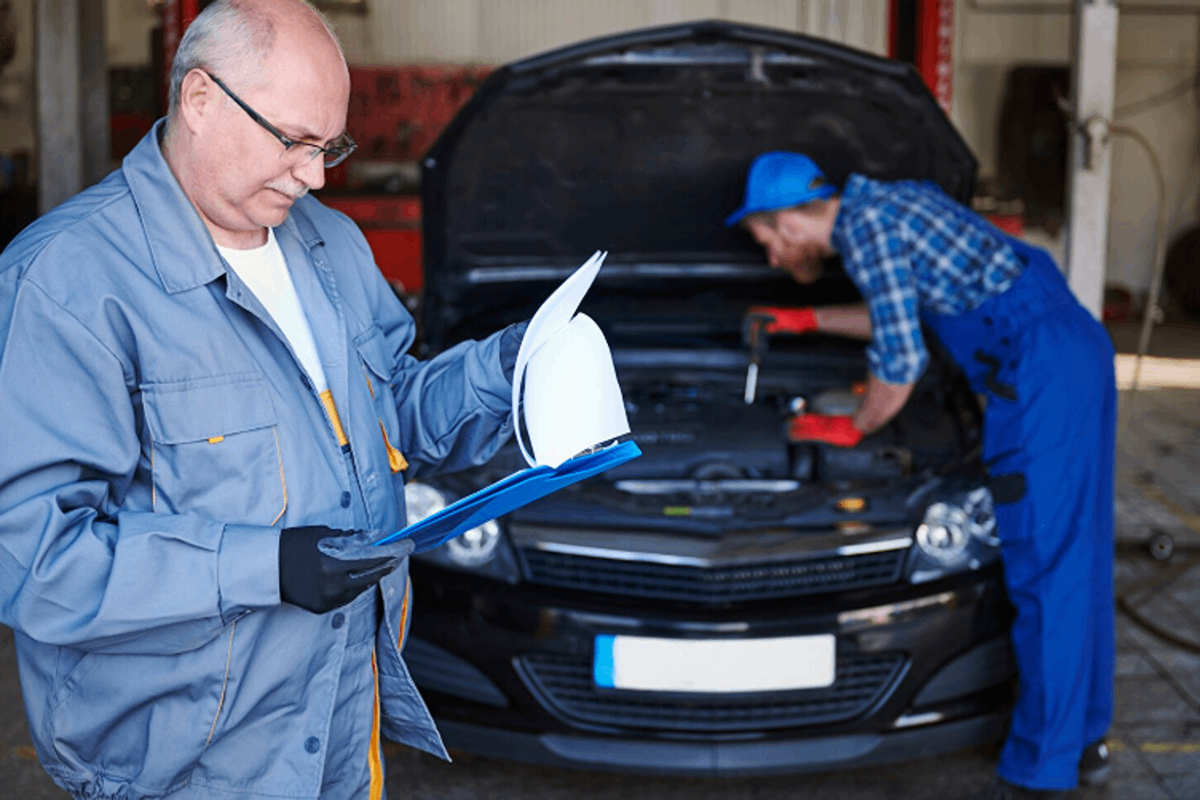
Certified facilities follow specific repair procedures that maintain warranty coverage and ensure proper safety system function. This compliance is essential for preserving both safety and value.
Insurance companies often recognize certified facilities’ quality advantages and may provide better coverage or streamlined claim processes for repairs performed at these locations.
Advanced Equipment and Technology
Modern collision repair requires sophisticated equipment for precision measurement and specialized welding, and quality paint application. Professional facilities invest in this technology to ensure proper repairs.
Frame straightening equipment must be regularly calibrated and maintained to provide the accuracy necessary for proper structural repairs. Outdated or poorly maintained equipment cannot achieve the precision required.
Paint booth technology, including climate control, filtration systems, and curing capabilities, directly affects finish quality and durability. Professional facilities maintain optimal conditions for superior results.
Diagnostic equipment for electronic system testing and calibration becomes increasingly important as vehicles incorporate more advanced technology. Proper calibration is essential for both safety and value preservation.
Quality Control Systems
Professional repair facilities implement systematic quality control procedures that ensure consistent results and identify issues before completion.
We conduct multiple inspections throughout the repair process to verify that work meets our standards and manufacturer specifications. This systematic approach prevents problems and ensures quality results.
Final inspection includes comprehensive testing of all repaired systems, detailed examination of cosmetic work, and verification that all documentation is complete and accurate.
Customer walk-through inspections provide opportunities to address any concerns before final delivery and ensure complete satisfaction with the repair quality.
Post-Repair Value Protection Strategies
Protecting car value after a collision continues after repairs are completed through proper maintenance, documentation preservation, and proactive care of repaired areas.
Newly repaired areas may require special attention during the initial curing period to ensure optimal durability and appearance retention.
Paint systems continue to cure for several weeks after application, and proper care during this period affects long-term durability and appearance. We provide specific care instructions for each type of repair performed.
Regular washing and waxing using appropriate products helps protect repaired finishes and maintain their appearance over time. We recommend specific products and techniques that won’t compromise repair integrity.
Prompt attention to minor damage prevents small issues from becoming major problems that could affect value. We offer touch-up and maintenance services to help preserve repair quality.
Record Keeping and Documentation
Maintaining complete repair records provides valuable documentation for warranty claims, insurance purposes, and future resale situations.
We provide customers with comprehensive documentation packages that include repair procedures, parts lists, warranty information, and quality control records.
Digital storage of repair records ensures they won’t be lost and makes them easily accessible for future needs. We recommend scanning and storing all paper documents electronically.
Warranty information should be readily accessible and transferred to subsequent owners if the vehicle is sold. This documentation adds value and confidence for potential buyers.
Professional Inspections and Services
Regular professional inspections can identify developing issues early and help maintain the quality of repaired areas over time.
We offer follow-up inspection services to ensure that repairs continue to meet our quality standards and address any issues that may develop.
Professional detailing services designed for repaired vehicles can help maintain appearance and protect finishes from environmental damage.
Touch-up services for minor damage help prevent deterioration that could affect the overall appearance and value of repaired areas.
Technology Impact on Value Preservation
Advanced vehicle technology creates both opportunities and challenges for the value of a car after a collision, requiring specialized knowledge and equipment for proper restoration.
Electronic System Considerations
Modern vehicles contain numerous electronic systems that can be affected by collision damage and must be properly restored to maintain value and functionality.
Safety systems like airbags, stability control, and advanced driver assistance features require specific procedures for testing and calibration after collision repairs.
Diagnostic scanning before and after repairs identifies electronic issues that might not be immediately apparent but could affect safety, performance, and value.
Software updates may be required after certain repairs to ensure all systems communicate properly and function as intended by the manufacturer.
Advanced Materials and Construction
Luxury and high-performance vehicles increasingly use advanced materials like aluminum and carbon fiber that require specialized repair techniques to maintain their properties.
Aluminum repair requires separate work areas, specialized tools, and specific welding procedures to prevent contamination that could compromise structural integrity.
Carbon fiber repairs involve cutting and bonding techniques that differ completely from traditional metalwork and require specialized materials and procedures.
These advanced repair techniques require significant investment in training and equipment, making professional facilities essential for proper restoration and value preservation.
Long-Term Value Monitoring
Understanding how repairs affect long-term value helps you make informed decisions about future maintenance and eventual resale or trade-in situations.
Market Value Tracking
Regular monitoring of your vehicle’s market value helps you understand how collision history and repair quality affect worth over time.

Professional appraisals can provide objective assessments of current value and help identify any negative impacts from collision history or repair quality.
Online valuation tools provide general market information, but professional appraisals consider specific factors like repair documentation and current condition more accurately.
Understanding market trends for your vehicle type helps you make informed decisions about additional investments in maintenance or improvements.
Resale Preparation Strategies
When preparing to sell or trade your vehicle, proper presentation of collision history and repair documentation can help maintain value and buyer confidence.
Complete repair records demonstrate responsible ownership and professional maintenance that can increase buyer confidence and support asking prices.
Professional inspections before listing can identify any issues that should be addressed to maximize value and prevent negotiation problems.
Honest disclosure of collision history with documentation of quality repairs often produces better results than attempting to hide accident history.
Conclusion
At Phil Thearle’s Autowerks, we understand that your vehicle represents a significant investment that deserves protection through expert repair and meticulous attention to detail. Our four decades of experience and commitment to exceeding industry standards ensure that your collision repair preserves both safety and value for years to come.
Protecting your vehicle’s value after a collision requires careful attention to the quality of repairs, thorough documentation, and regular maintenance. The decisions you make immediately after an accident and throughout the repair process significantly influence your car’s value after collision restoration.
Professional collision repair using manufacturer-approved procedures, genuine parts, and comprehensive documentation provides the best foundation for value preservation. Quality repairs not only restore safety and appearance but also maintain the structural integrity and electronic system functionality that modern vehicles require.
Contact our experts today to learn how we can help protect your vehicle’s value through professional collision repair services!