When your vehicle needs collision repair, choosing certified collision center San Diego options can feel overwhelming. With dozens of auto body shops throughout the county, you should know how to choose a certified collision center in San Diego to make sure your vehicle receives proper, high-quality repair.
At Phil Thearle’s Autowerks, we understand the importance of making the right choice. Since 1983, we’ve helped drivers understand what makes a certified collision center in San Diego truly exceptional. Our four decades of experience completing nearly 50,000 repairs have taught us exactly what you should look for when selecting a collision repair facility.
The decision you make about where to repair your vehicle affects not only the quality of the restoration but also your safety, your vehicle’s value, and your overall satisfaction with the repair process.
We’ve compiled these five essential tips to help you make an informed decision that serves your best interests.
Tip 1: Verify Manufacturer Certifications and Training
The most important factor in choosing a certified collision center in San Diego is ensuring they possess proper manufacturer certifications for your specific vehicle. Not all collision centers are created equal, and generic auto body experience doesn’t automatically translate to expertise with your particular make and model.
Understanding Manufacturer-Specific Requirements
Modern vehicles incorporate advanced materials, sophisticated safety systems, and complex electronic components that require specialized knowledge to repair properly. Each manufacturer has specific procedures, tools, and training requirements that must be followed to maintain safety standards and warranty coverage.
At Phil Thearle’s Autowerks, we maintain certifications as San Diego County’s only Jaguar/Land Rover Certified Aluminum Auto Repair Center and Factory Authorized BMW Aluminum Auto Repair Center. We’re also the lone Infiniti/Nissan Certified Collision Center in the region, demonstrating our commitment to staying current with manufacturer requirements.
These certifications aren’t just certificates on the wall. They represent ongoing investment in training, equipment, and procedures that ensure your vehicle receives the exact repair approach intended by its manufacturer. When evaluating collision centers, ask to see the current certification documents for your vehicle’s brand.
Equipment and Facility Standards
Certified collision centers must maintain specific equipment standards to properly repair modern vehicles across all major types of auto collision repair. This includes precision measuring systems, specialized welding equipment for different materials, and manufacturer-approved paint systems.
Aluminum repair, for example, requires completely separate tools and work areas to prevent contamination that could compromise structural integrity. High-strength steel repairs need specific welding procedures and heat treatment capabilities that not all facilities possess.
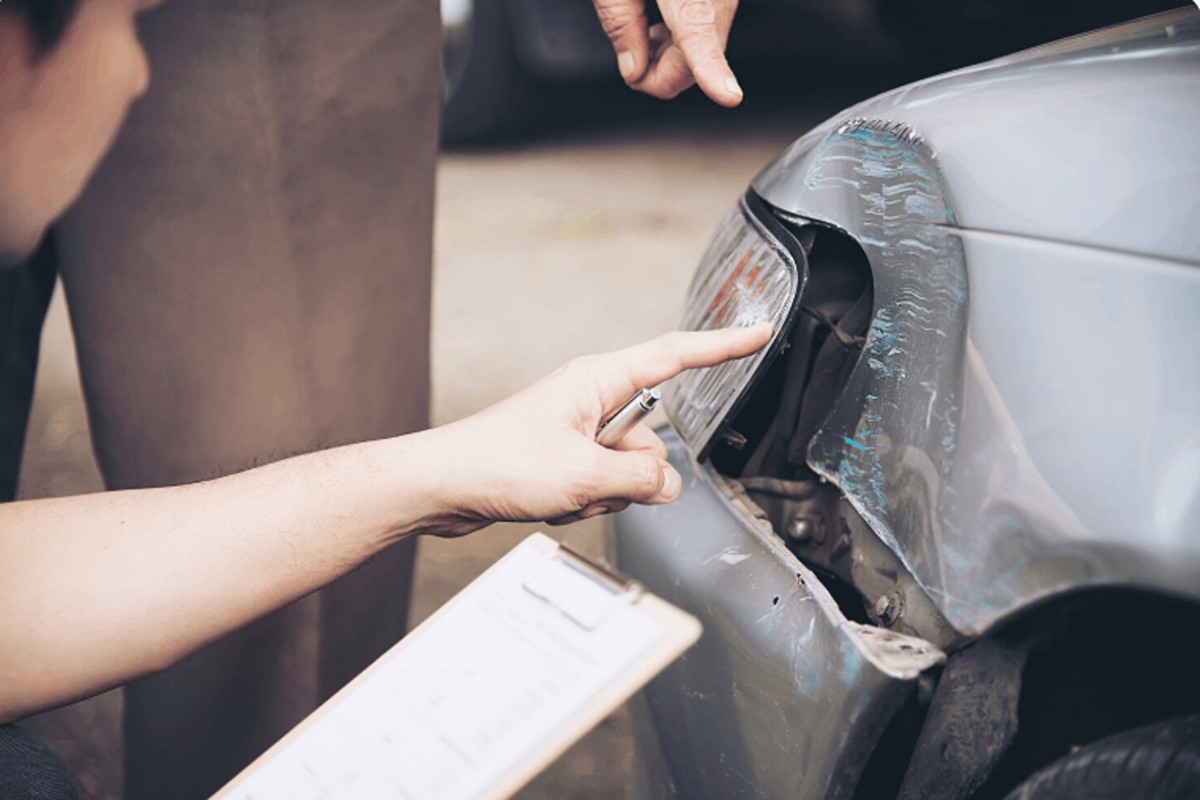
When visiting potential repair facilities, ask about their equipment capabilities and whether they can show you the specialized tools required for your vehicle type. A facility that can’t demonstrate proper equipment likely can’t perform proper repairs.
Ongoing Training Requirements
Technology changes rapidly in the automotive industry, and collision repair techniques must evolve accordingly. Certified collision centers commit to ongoing training that keeps their technicians current with the latest procedures and safety requirements.
We invest in continuing education for our technicians because vehicle technology doesn’t stand still. Electric vehicles, advanced driver assistance systems, and new materials require constant learning to maintain repair quality and safety standards.
Ask potential collision centers about their training programs and how to choose certified collision centers in San Diego facilities that prioritize education. Facilities that can’t demonstrate ongoing training commitments may not be equipped to handle the latest vehicle technologies.
Tip 2: Examine Direct Repair Program Relationships
Understanding a collision center’s insurance relationships provides valuable insight into their reputation and reliability. Certified collision centers in San Diego facilities with Direct Repair Program (DRP) relationships have demonstrated consistent quality and customer service to major insurance companies.
Benefits of Direct Repair Programs
Direct Repair Programs streamline the claims process by allowing collision centers to work directly with insurance companies on estimates, approvals, and payments. This reduces the administrative burden on customers while ensuring repairs meet insurance standards.
At Phil Thearle’s Autowerks, we maintain Direct Repair Programs with Allstate and Esurance, which allows us to handle much of the paperwork and communication directly with these insurers. For other insurance companies, we negotiate on our customers’ behalf to ensure quality repairs within policy coverage.
DRP relationships aren’t automatically available to any collision center. Insurance companies evaluate facilities based on customer satisfaction scores, repair quality metrics, cycle times, and overall business practices before approving these partnerships.
What DRP Status Tells You
When a collision center has earned DRP status with multiple insurers, it indicates consistent performance across several evaluation criteria. Insurance companies have financial incentives to work with facilities that produce quality repairs efficiently while maintaining high customer satisfaction.
However, don’t assume that facilities without DRP relationships are inferior. Some excellent collision centers choose not to participate in these programs for business reasons. The key is understanding why a facility does or doesn’t participate and what that means for your specific situation.
Questions to Ask About Insurance Relationships
When evaluating collision centers, ask specific questions about their insurance relationships:
- Which insurance companies do they have direct relationships with?
- How do they handle claims with companies they don’t have DRP agreements with?
- What happens if insurance coverage disputes arise during repairs?
- Do they require payment up front or bill insurance directly?
- How do they handle supplemental repairs discovered during the process?
Tip 3: Assess Facility Quality and Organization
The physical condition and organization of a collision repair facility tell you a lot about its attention to detail and professional standards. How to choose a certified collision center in San Diego involves evaluating whether the facilities maintain the professional standards necessary for quality work.
Clean and Organized Work Environment
Professional collision repair requires controlled environments, especially for paint work and precision assembly. Paint booths must maintain specific temperature, humidity, and cleanliness standards to achieve quality finishes that will last.
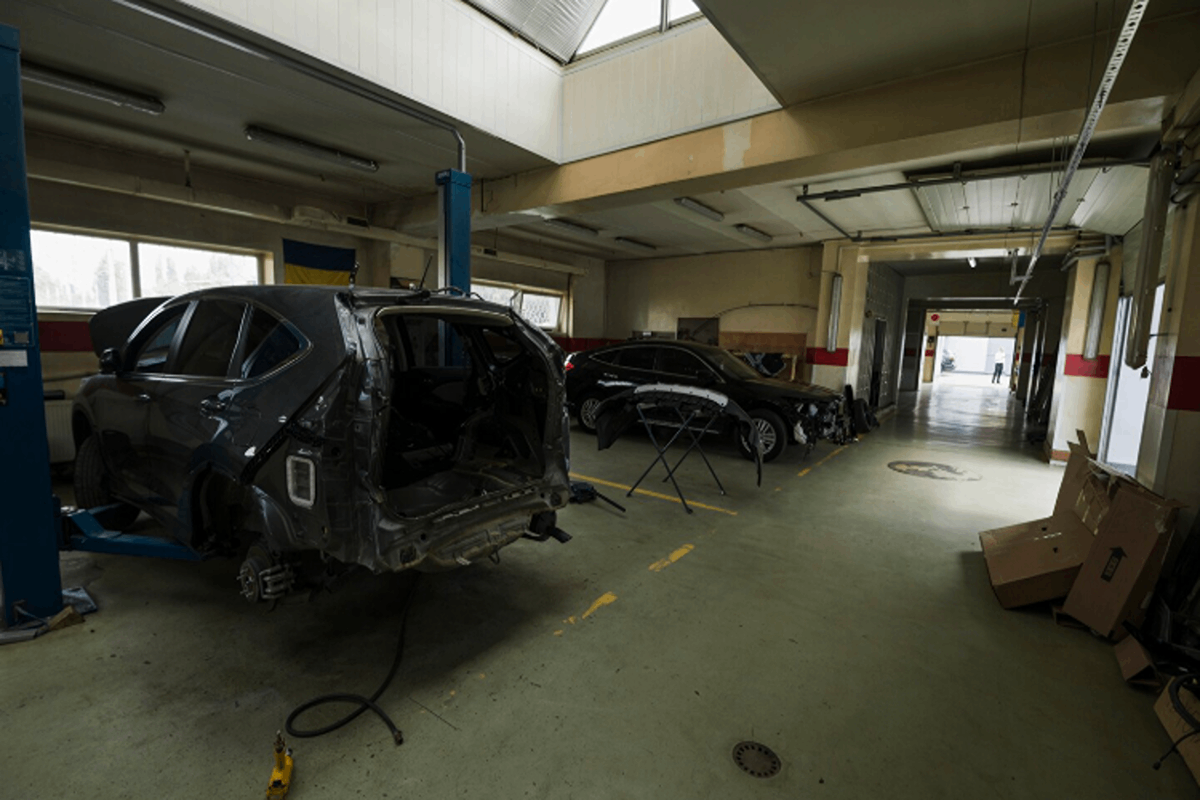 We invite customers to tour our facility because we’re proud of our modern, clean, and well–organized workspace. Our paint booth incorporates advanced filtration and climate control systems that ensure optimal conditions for high-quality finishes.
When visiting potential collision centers, observe whether work areas are clean and organized. Cluttered, dirty facilities often produce substandard work because attention to detail in the workspace typically reflects attention to detail in the repairs.
Equipment Condition and Maintenance
Well-maintained equipment is essential for quality collision repair. Frame straightening equipment must be precisely calibrated, diagnostic tools need regular updates, and paint equipment requires careful maintenance to function properly.
Look for evidence that equipment is well-maintained and current. Outdated or poorly maintained equipment can’t produce the precision results required for modern vehicle repair. Ask about equipment maintenance schedules and when major systems were last updated or calibrated.
Professional facilities also maintain backup equipment and systems to minimize delays when primary equipment needs service. This redundancy demonstrates a commitment to completing repairs on schedule without compromising quality.
Storage and Parts Management
Proper parts storage and management prevent damage and mix-ups that could affect repair quality. Parts should be stored in clean, organized areas that protect them from contamination and damage.
Look for evidence of systematic parts management, including proper storage of different material types (aluminum parts stored separately from steel), climate control for sensitive components, and clear labeling systems to prevent mix-ups.
Poor parts management can lead to delays, incorrect installations, and contamination issues that compromise repair quality. Professional facilities invest in proper storage systems because they understand that part quality affects overall repair quality.
Safety Standards and Protocols
Modern collision repair involves hazardous materials, high-voltage systems, and specialized equipment that requires strict safety protocols. Professional facilities maintain comprehensive safety programs that protect both workers and customers.
Observe whether technicians use appropriate safety equipment, whether hazardous materials are properly stored and labeled, and whether the facility appears to follow established safety procedures. Poor safety practices often correlate with poor work quality.
Ask about safety training programs and certifications. Facilities that invest in comprehensive safety training typically maintain higher overall standards in all aspects of their operation.
Tip 4: Evaluate Customer Communication and Transparency
Effective communication throughout the repair process is crucial for customer satisfaction and ensures that repairs meet your expectations. Choosing a certified collision center in San Diego requires evaluating their commitment to keeping you informed and involved.
Initial Consultation and Estimate Process
The initial consultation reveals a lot about how a collision center operates. Professional facilities conduct thorough inspections, explain their findings clearly, and provide detailed written estimates that break down all recommended work.
During our initial consultations, we explain not just what needs to be repaired, but why specific procedures are necessary and how they contribute to safety and quality. We use visual aids and take customers through the damage assessment to ensure a clear understanding.
 Be wary of facilities that rush through estimates, provide vague explanations, or pressure you to commit immediately. Quality collision repair requires careful analysis, and professional facilities take time to do this properly.
Progress Updates and Timeline Management
Collision repairs often reveal additional damage or complications that weren’t visible during initial inspection. Professional facilities communicate these discoveries promptly and explain how they affect the repair scope and timeline.
We maintain regular communication with customers throughout the repair process, providing updates on progress and promptly discussing any changes that arise. Our customers never have to wonder about their vehicle’s status or when they can expect completion.
Ask potential collision centers about their communication procedures. How often do they provide updates? How do they handle discoveries of additional damage? What happens if repairs take longer than initially estimated?
Written Documentation and Warranties
Professional collision centers provide comprehensive written documentation of all work performed, including before and after photos, detailed repair procedures, and parts used. This documentation serves multiple purposes: it helps you understand what was done, provides records for insurance purposes, and demonstrates the facility’s confidence in its work.
We provide detailed documentation of every repair because we stand behind our work and want customers to understand exactly what was done to restore their vehicle. This transparency builds trust and provides peace of mind.
Quality facilities also offer meaningful warranties on their work. Ask about warranty terms, what’s covered, and how warranty claims are handled. Facilities that offer comprehensive warranties and honor them promptly demonstrate confidence in their work quality.
Tip 5: Research Reviews and Ask for References
Choosing the right certified collision facility often includes researching what other customers have to say about their experiences.
Online Review Analysis
Modern consumers rely heavily on online reviews, but evaluating them requires some sophistication. Look for patterns in reviews rather than focusing on individual complaints or praise. Professional facilities generally maintain positive review patterns with constructive responses to any negative feedback.
Pay attention to how facilities respond to negative reviews. Professional operations acknowledge concerns, explain their perspective respectfully, and demonstrate willingness to address issues. Facilities that ignore negative reviews or respond defensively may not prioritize customer satisfaction.
However, remember that online reviews don’t tell the complete story. Some excellent facilities may have fewer reviews simply because satisfied customers don’t always take time to write them. Use reviews as one factor in your evaluation, not the only factor.
Reference Requests and Referrals
Don’t hesitate to ask collision centers for references from recent customers. Professional facilities are proud of their work and happy to connect you with satisfied customers who can share their experiences.
We encourage potential customers to speak with recent clients because we’re confident in the quality of our work and the satisfaction of our customers. These conversations provide insight that you can’t get from online reviews or facility tours.
Ask references specific questions about communication, quality, timeline adherence, and overall satisfaction. Find out if they would use the facility again and whether they would recommend it to family members.
Industry Recognition and Awards
Professional collision centers often receive recognition from industry organizations, manufacturer programs, and local business groups. While awards aren’t everything, they indicate peer recognition and commitment to excellence.
Look for recognition from manufacturer certification programs, industry associations like I-CAR (Inter-Industry Conference on Auto Collision Repair), and local business organizations. These awards typically require demonstrated performance across multiple criteria.
However, don’t automatically discount facilities without extensive awards. Some excellent operations focus on serving customers rather than pursuing recognition programs. Use awards as one indicator of quality, not the sole determining factor.
Understanding the Investment in Quality
Choosing certified collision center San Diego facilities often involves balancing cost considerations with quality expectations. Understanding why quality collision repair costs more helps you make informed decisions about your vehicle’s restoration.
Cost Factors in Professional Repair
Quality collision repair involves significant investments in training, equipment, facilities, and materials that are reflected in pricing. Certified technicians command higher wages because of their specialized knowledge and ongoing training requirements.
Certified OEM repairs typically cost more than aftermarket alternatives, but they ensure proper fit, finish, and safety performance. Professional facilities often recommend OEM parts because they maintain your vehicle’s original characteristics and warranty coverage.
Advanced equipment for precision measurement, specialized welding, and quality paint application requires substantial capital investment. These costs are reflected in repair pricing, but they’re essential for achieving manufacturer–specified repair quality.
Long-Term Value Considerations
Quality collision repair provides better long-term value through improved durability, maintained safety performance, and preserved vehicle value. Cheaper repairs often require subsequent work that ultimately costs more than doing it right initially.
Professional repairs maintain your vehicle’s safety systems, structural integrity, and appearance longer than substandard work. This protection is particularly important for newer vehicles where safety systems and structural performance are critical.
Consider the total cost of ownership, including potential future repairs, safety implications, and resale value impact when evaluating collision repair options. The cheapest option rarely provides the best value.
Making Your Final Decision
After evaluating collision centers using these five tips, you should have a clear picture of which facilities meet your standards for a certified collision center in San Diego quality and service.
Comparison Criteria Summary
| Evaluation Factor | Weight | Questions to Consider |
|---|---|---|
| Certifications | High | Does the facility have current certifications for my vehicle brand? |
| Insurance Relationships | Medium | Do they work with my insurance company? How do they handle claims? |
| Facility Quality | High | Is the facility clean, organized, and well-equipped? |
| Communication | High | Do they communicate clearly and provide regular updates? |
| References | Medium | What do other customers say about their experience? |
| Cost | Medium | Do estimates reflect quality materials and procedures? |
Red Flags to Avoid
Certain warning signs should eliminate collision centers from consideration regardless of other factors:
- Reluctance to provide facility tours or answer detailed questions
- Lack of proper certifications for your vehicle type
- Pressure to sign agreements before you’re ready to commit
- Estimates are significantly lower than others, without a clear explanation
- Poor communication or unprofessional behavior during initial contact
- Obvious safety violations or unprofessional facility conditions
- Unwillingness to provide references or warranty information
Trust Your Instincts
Beyond technical evaluations, trust your gut feeling about the professionalism and integrity of the people you’re working with. Collision repair involves trusting someone with a significant investment, and you should feel confident in that relationship.
Professional collision centers understand that choosing a repair facility is an important decision and give you time and information to make the right choice. They’re transparent about their processes, honest about capabilities, and committed to earning your trust through demonstrated competence.
Conclusion
Choosing certified collision center San Diego facilities requires careful evaluation of certifications, insurance relationships, facility quality, communication practices, and customer feedback. The decision you make affects not only your vehicle’s restoration quality but also your safety and satisfaction throughout the repair process.
At Phil Thearle’s Autowerks, we’ve spent 40 years earning the trust of San Diego County drivers through consistent quality, transparent communication, and unwavering commitment to safety. Our manufacturer certifications, modern facility, and comprehensive warranty demonstrate our dedication to exceeding industry standards.
When you need a certified collision center in San Diego that prioritizes your safety, your vehicle’s proper restoration, and your complete satisfaction, we invite you to experience the difference that four decades of expertise make. Contact us today to schedule your consultation and discover why thousands of customers have trusted us with their collision repair needs.